rotational moulding

Rotational Moulding Experts

Rotational Moulding Information

Welcome to Rotational Mouldings.net

Our company name is Etills ltd, and have no affiliation with "Rotational Mouldings Ltd ".


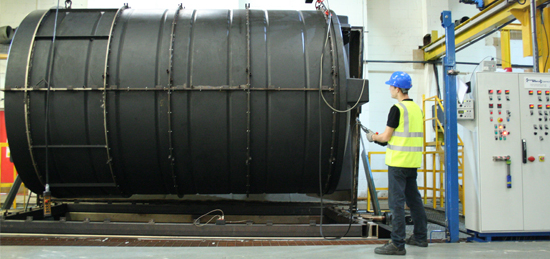
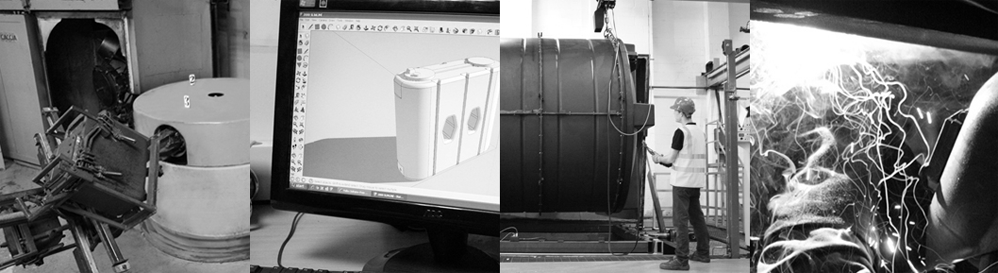
Rotational Moulding Machine in action
 

Rotational Moulding

Rotational Moulding Machine

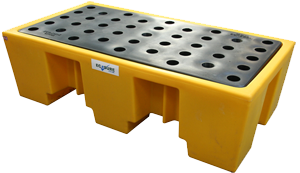
Ecosure Rotational Moulding Products

Related Links

Ecosure.co.uk

IndustrialStore.co.uk

Roational Moulding Herts

Rotational Moulding

What is Rotational Moulding?

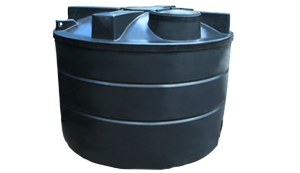
Rotational moulding is the process of manufacturing hollow plastic parts/products such as garden planters, water butts or canoes.

Rotational moulding produces strong durable products that are weather resistant and can last many years.

The process involves high temperatures of heat which melt the Medium Density Polyethylene (MDPE) into a substance that can then be moulded to any shape.


Stage 1 - Charging the mould

A predetermined amount of plastic (either in powdered or liquid form) is poured into a hollow metal mould which is made from either Cast iron or Aluminum. The amount of plastic used in the metal mould will be equivalent to the weight of the finished product. Rotational moulding has one big advantage of no waste. All the plastic poured into the mould is used.

Stage 2 - Turning up the heat

Once the plastic has been poured in, the second half of the mould needs to be securely clamped into position. The mould is then moved into the heat source where the rotation starts. Rotations are normally around 10-12 rev min, this is so all the plastic is dispersed equally. Also as well as rotating the mould will end start to tilt on its second axes.

By changing the speed of revolutions and tilts, it’s possible to control the thickness of the walls of the end product. If you use a ratio of 4:1 on the speeds of two axes, this should create an even wall thickness.

Stage 3 - Cooling down

After the heating cycling is complete, the mould is removed from the oven and the cooling cycle begins. This involves using air blows and fine mists of water to slowly cool the mould. If the mould is cool too quickly the product may become distorted.

Once the moulding is complete, it now needs to be cooled. Most machines will have large fans/blowers at the bottom of the machine; they may also have cooling water sprays. The water is used in short spurts, so the mould cools evenly.

When the product is cooling, it starts to shrink away from the steel mould. Once cooled, if the adequate draft angles have been provided then the product should slide out. Release agents are used easy this process.

Rotational Moulding Materials

To create a mould or tool for rotational moulding, it would have to be made from the following materials

  • Sheet Steel
  • Aluminium
  • Electroformed Nickel

Sheet Steel

To fabricate the sheet metal into a mould, various methods such as metal shaping and arc welding is usually satisfactory for most low volume applications.

You can use low carbon steel if your volume of application is low, however if you a experiencing rust, then galvanized steel would be a good idea. If you forced to store your moulds outside, Stainless steel would be a good material to use.

Aluminum

Aluminum has better thermal conductivity than steel, however because Aluminum is not a thick as steel, the walls of the mould need to be made thicker which will reduce the thermal activity. This means that heating up and cooling down cycles are slower than steel moulds.

Electroformed Nickel

Electroformed nickel is used in moulds that require fine detail such as mannequin head.

Please note: We are in no way associated with any other website or company that resembles our web site address www.rotationalmouldings.net.


Rotational Moulding Tool

Rotational Moulding Benifits

  • Stronger than injection moulding

  • Weather resistant end products

  • Variety of plastic styles and colours

  • Rotational moulding offers flexibility when altering a mould

  • Fast manufacturing times


Web Design & Search Engine Optimization
by Ecomshops.co.uk © 2009